
Top Roof Repairs Every Homeowner Should Know
Shingle Replacement
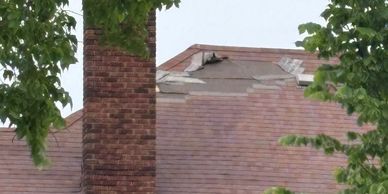
Cracked, curled, or missing shingles expose the underlayment to moisture. Wind, hail, and age are the most common culprits — typically needed every 10–20 years on asphalt roofs.
Leak & Water Intrusion
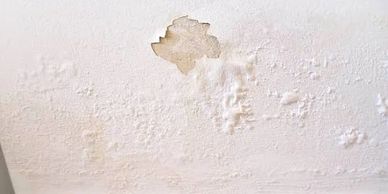
Interior water stains, drips, or mold are red flags. Leaks often originate at penetrations (vents, chimneys, skylights) or valleys where two roof planes meet.
Flashing Repair or Replacement
Flashing Repair or Replacement
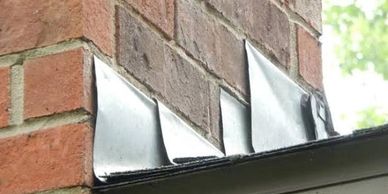
Metal flashing seals transitions around chimneys, vents, and skylights. It corrodes, separates, or gets improperly installed — and is one of the #1 sources of leaks.
Ventilation Repair
Gutter or Fascia Repair
Flashing Repair or Replacement
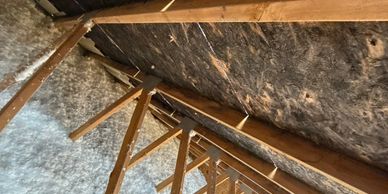
Poor attic ventilation traps heat and moisture, degrading shingles from the inside out and causing ice dams in winter. Ridge vents, soffit vents, and baffles may need repair or addition.
Ridge Cap Replacement
Gutter or Fascia Repair
Gutter or Fascia Repair
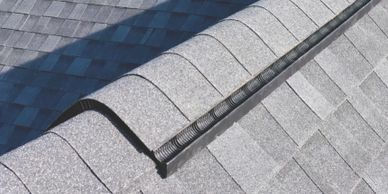
The ridge cap protects the peak where two roof slopes meet. These specialized shingles endure the most UV exposure and wind stress, often wearing out before field shingles do.
Gutter or Fascia Repair
Gutter or Fascia Repair
Gutter or Fascia Repair
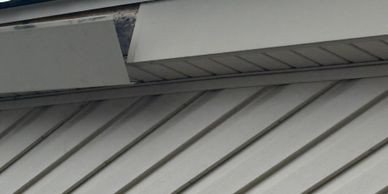
Clogged or detached gutters cause water to back up under the roofline, rotting fascia boards and leading to soffit damage. Part of every complete roof maintenance plan.
Chimney & Skylight Resealing
Pipe Boot & Vent Collar Replacement
Chimney & Skylight Resealing
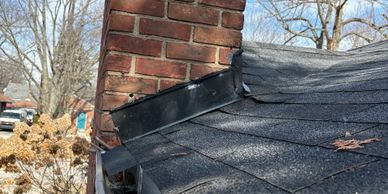
Masonry chimneys develop cracks in mortar joints and crowns. Skylights can fail at frame seals. Both require periodic caulking, flashing work, or full reseal to stay watertight.
Ice Dam Removal & Prevention
Pipe Boot & Vent Collar Replacement
Chimney & Skylight Resealing
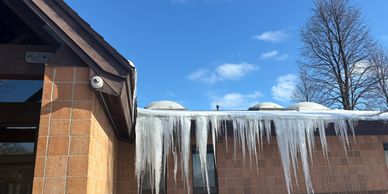
In colder climates, ice dams form when heat escapes unevenly, melting snow that refreezes at the eaves. This forces water under shingles. Proper insulation and ventilation are the fix.
Pipe Boot & Vent Collar Replacement
Pipe Boot & Vent Collar Replacement
Pipe Boot & Vent Collar Replacement
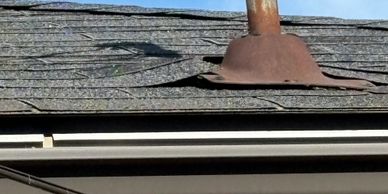
Rubber pipe boots around plumbing vents crack and shrink with UV exposure — typically within 10–15 years. A failed boot is a silent leak waiting to happen and is an easy, affordable fix.
Decking & Underlayment Repair
Storm Damage Assessment & Repair
Pipe Boot & Vent Collar Replacement
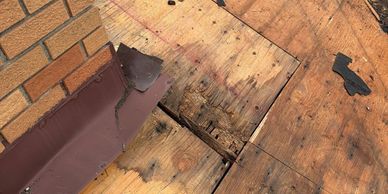
The plywood sheathing and underlayment beneath shingles can rot from prolonged moisture intrusion. If shingles feel spongy underfoot during inspection, decking replacement is needed before re-roofing.
Moss & Algea Treatment
Storm Damage Assessment & Repair
Storm Damage Assessment & Repair
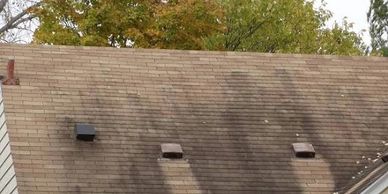
Black streaks (Gloeocapsa magma) and green moss retain moisture and deteriorate shingles over time. Zinc strips, zinc sulfate, or professional soft-washing extend roof life significantly.
Storm Damage Assessment & Repair
Storm Damage Assessment & Repair
Storm Damage Assessment & Repair
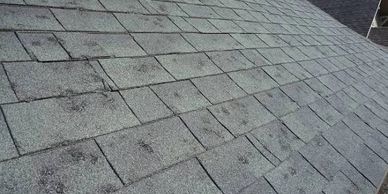
After major hail or wind events, granule loss, dented shingles, or lifted edges may not be immediately visible. A professional inspection ensures hidden damage is caught before it worsens.